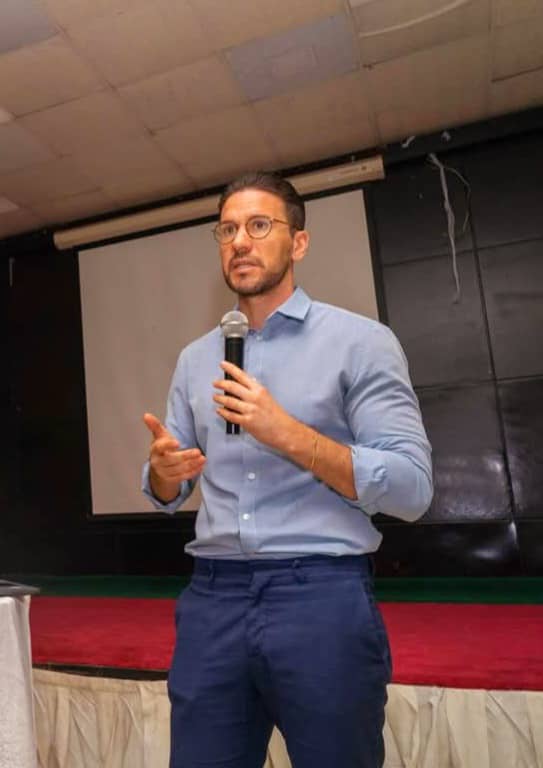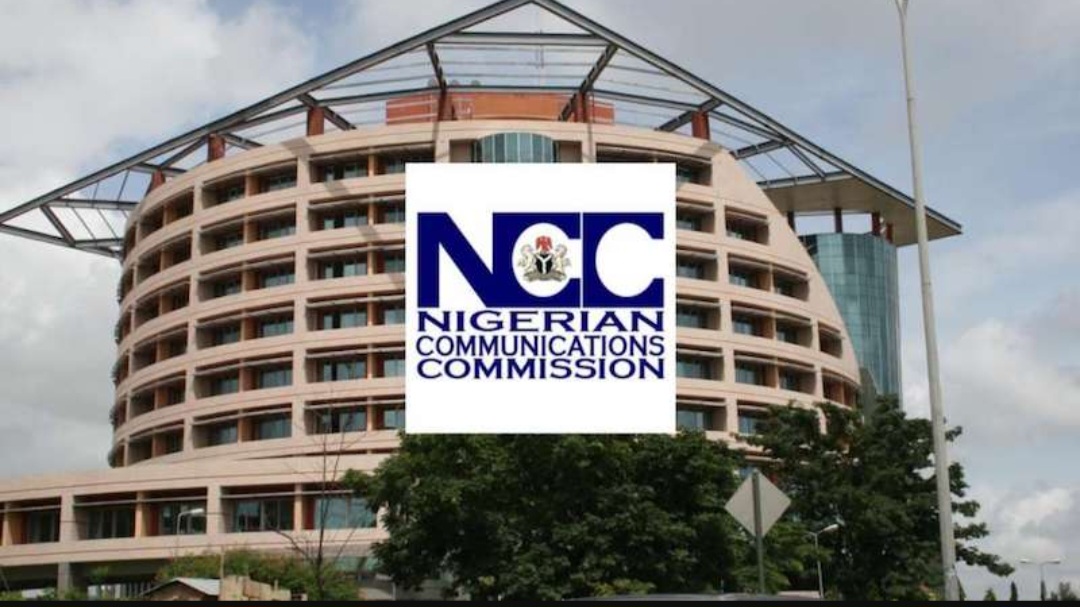
The CEO of ntel, Mr Soji Maurice-Diya has commended the Nigerian Communications Commission (NCC) and other policy institutions for sustaining investor confidence and maintaining industry stability through consistent regulation.
Speaking at the Technology Thought Leadership series, he however, urged regulators to evolve from a control-oriented mindset to one that nurtures innovation and agility.
He also commended NCC’s recent openness to MVNO licensing, describing it as a visionary step that recognises the need for flexible business models in a fast-changing market.
“The MVNO framework is the regulator’s acknowledgment that agility is the new infrastructure,” he said. It’s a forward-looking policy that will democratise access and drive competition ”
According to Maurice-Diya, “Policy should not be about control, it should be about enabling possibilities, we must allow innovation to happen first, and then regulate with hindsight and understanding, that is how nations leapfrog into leadership in digital economies” .

He explained that telecoms policy must now intersect with financial inclusion, renewable energy, and data governance.
The ntel CEO argued that Nigeria’s policy framework must recognise the cross-sectoral nature of the digital economy.
“Telecoms is no longer a soloed industry. It underpins everything; commerce, healthcare, education, and governance. Regulation must reflect that interdependence,” he stated.
Maurice-Diya also called for more predictable spectrum management policies, flexible infrastructure-sharing frameworks, and incentives for smaller operators and virtual networks to thrive in niche segments without the burden of legacy infrastructure costs.
Broadband, Inclusion, and the Rural Opportunity
He said that while Nigeria’s broadband penetration continues to expand, though unevenly.
According to him, urban centres enjoy multiple layers of connectivity, while rural and underserved regions still lag behind.
Diya identified this as both a challenge and an opportunity for innovation-driven operators like ntel.
“We must power digital inclusion with sustainability, not subsidy, the rural opportunity is immense, but to unlock it, we need smarter, more localized models of broadband delivery” he declared.
He advocated for public-private partnerships, renewable-powered rural towers, and incentive frameworks that make it commercially viable for operators to expand beyond profitable urban clusters.
Maurice-Diya also applauded the government’s ongoing National Broadband Alliance and backbone fibre expansion initiatives, describing them as foundation to a more inclusive digital economy.
“Access is the foundation of opportunity. When you connect people, you empower them to participate, create, and compete,” he said.
Local Content and Indigenous Capacity
On the question of indigenous participation, the ntel CEO emphasised that local content should go beyond ownership structures to focus on capacity, competence, and creativity.
“Local content is not just about being Nigerian, it’s about being capable, we must build the human capital that can design, manage and monetise the digital infrastructure of the future”
Maurice-Diya cited Nigeria’s 3MTT (Three Million Technical Talent) programme as a transformative step in building the skills pipeline required for the future of work and the digital economy.
He urged the private sector to partner more actively in talent development, internships, and innovation labs.
“The most valuable spectrum of the future is not measured in MHz, it’s measured in mind power,” he quipped.
A Market at an Inflection Point
Reflecting on the state of Nigeria’s telecommunications industry, the ntel CEO described it as “a mature and dynamic market now standing at the cusp of a new transformation phase.”
According to him, the past two decades of liberalisation have built an industry that is robust, competitive, and pivotal to the Nigerian economy.
He however cautioned that sustaining this progress will require a deliberate focus on innovation over expansion.
“Nigeria’s telecoms sector has matured beyond its initial growth model,” Maurice-Diya observed.
“The next wave will not come from connectivity alone, it will come from what we build on top of connectivity. It’s time to innovate, not just interconnect ”
He added that with over 200 million active lines and growing broadband penetration, the real opportunity lies in value-added digital services, intelligent networks, and inclusive access models that bring connectivity into every sphere of Nigerian life, from agriculture to education, fintech, and entertainment.
About Technology Times Thought Leadership Series
The Technology Times Thought Leadership Series is a knowledge-sharing platform hosted by Technology Times, Nigeria’s trusted voice on technology innovation and digital transformation since 2004.
The Series features one-on-one interviews, panel discussions, and insights from business and policy leaders shaping Nigeria’s digital future. It serves as a bridge between innovation, industry, and informed public discourse.