Representatives of 196 countries and the European Union will meet in Panama from the 1st -5th December 2025, to review their efforts against desertification, land degradation and drought.
The meeting is the 23rd Committee to Review the Implementation of the Convention 23rd Committee to Review the Implementation of the Convention (CRIC23) to convene in Panama City, 1-5 December 2025
The review is under the United Nations Convention to Combat Desertification (UNCCD); one of the three Rio Conventions, alongside biodiversity and climate.
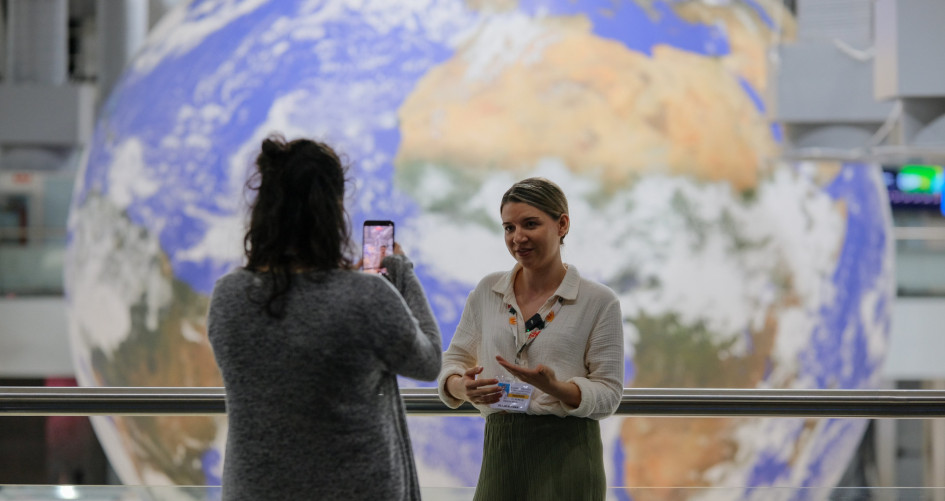
The 23rd session of the Committee for the Review of the Implementation of the Convention (CRIC 23) to the UNCCD will convene about 500 delegates from governments, civil society, and academia to assess progress in advancing the Convention’s objectives.
A signatory to UNCCD since 1996, Panama has committed to achieve Land Degradation Neutrality by 2030, identified 31 critical hotspots,.
and is advancing reforestation and Dry Corridor adaptation programmes underlining its role as regional host.
Global Consequences Of Local Drought
In 2023, the country faced its driest year on record, when water shortages disrupted traffic through the Panama Canal and highlighted how local drought can trigger global consequences.
According to the Minister of Environment of Panama, Juan Carlos Navarro, “Never before has a country hosted, in the same year, the three major United Nations environmental conventions on climate action, biodiversity, desertification, and sustainable land management.”
“With this, Panama reaffirms its commitment to conserving nature and advancing sustainable development, while once again calling for the integrated management of these three pillars in order to confront the planetary crisis and build a resilient future for our communities.” he stated.
UNCCD Executive Secretary Yasmine Fouad says severe droughts and the loss of fertile land are already straining food and energy production, uprooting rural communities, and threatening the livelihoods of millions.
“Nowhere is this more evident than in Latin America and the Caribbean, a region that is experiencing severe land degradation, affecting at least 20 per cent of its total area” She said.
CRIC23
She explained that by hosting CRIC23, Panama is placing itself at the center of collective response from its national Nature Pledge to the regional Dry Corridor Initiative and helping to build the momentum for the urgent need for drought resilience and land restoration worldwide.
This CRIC23 will place particular emphasis on gender, highlighting best practices and bottlenecks in engaging women. including Indigenous women who are among the hardest hit by land degradation and drought, yet remain at the forefront of sustaining families and food systems.
Recent UNCCD data underline the urgency:
The world is losing almost 100 million hectares of healthy land annually, and over 70 per cent of land has become drier over the past three decades, eroding the planet’s ability to support a growing population.
Meeting global land restoration targets will require USD 1 billion per day until 2030, still only a fraction of what is currently spent on harmful subsidies and unsustainable investments.
CRIC23 will be held at the Panama Convention Center, Panama Citßy.
Parties will review progress and provide recommendations towards drought resilience and 2030 global targets on land; discuss the post-2030 strategic framework; engage with key stakeholders including women, youth, Indigenous Peoples and local communities; and see the launch of the Panama Nature Pledge and other key reports.

About UNCCD
UNCCD unites governments, scientistolicymakers, private sector and communities around a shared vision and global action to restore and manage the world’s land for the sustainability of humanity and the planet.
Much more than an international treaty signed by 197 Parties, UNCCD is a multilateral commitment to mitigating today’s impacts of land degradation and advancing tomorrow’s land stewardship in order to provide food, water, shelter and economic opportunity to all people in an equitable and inclusive manner.